
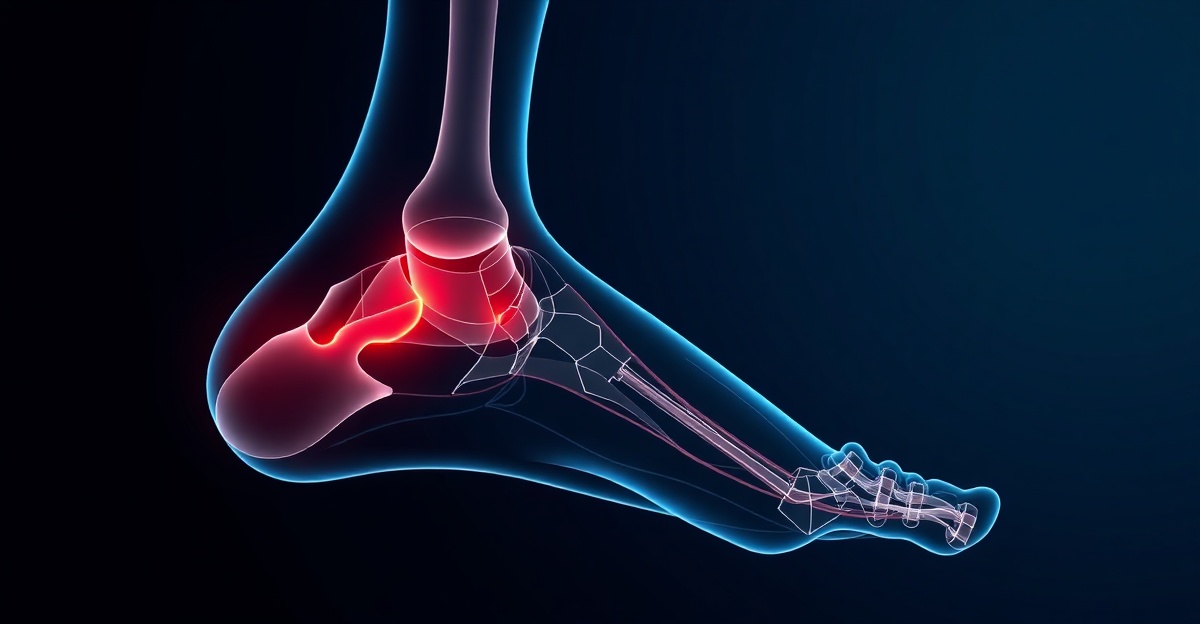
The sound is unmistakable — a pop like someone snapped a rubber band behind your ankle. An Achilles tendon rupture is one of the most devastating injuries in endurance sport, and it happens to athletes who were feeling fine the rep before. The good news: whether you choose surgical repair or conservative management, modern rehab protocols get the majority of athletes back to running. The timeline is long (6–12 months), the calf will never feel quite the same, and the return demands more patience than the original injury. But athletes do come back. This guide covers what that path looks like. This guide is for educational purposes only and does not replace medical advice. Always follow your surgeon's and physiotherapist's guidance.
Surgical vs Conservative: What the Evidence Says
The surgical vs conservative debate has shifted significantly in the last decade. Large meta-analyses now show that for complete Achilles ruptures, functional rehabilitation with early weight-bearing produces re-rupture rates comparable to surgical repair (about 3–5% either way) when the non-operative protocol is done properly.
Surgical repair is still preferred for: athletes wanting the fastest possible return, large gap ruptures (>1cm on ultrasound), high-level competitive athletes, and patients who cannot commit to strict protocol compliance. Surgery adds infection risk (2–4%) and sural nerve injury risk (3–5%), but provides earlier confidence in the repair.
Conservative management works well for: recreational athletes, partial ruptures, patients with surgical risk factors, and those who prefer to avoid surgery. It requires strict compliance with the boot protocol and early functional loading — this is not "rest and hope." A poorly managed conservative approach has significantly worse outcomes than surgery.
For most age-group endurance athletes, the decision comes down to personal preference, surgeon recommendation, and how much you trust yourself to follow the non-operative protocol precisely.
Rehabilitation Timeline
| Phase | Weeks | Key Goals | Activities Allowed |
|---|---|---|---|
| Protection | 0–2 (post-op) / 0–4 (conservative) | Wound healing, edema control | Non-weight-bearing, upper body training, gentle ankle ROM in boot |
| Early Loading | 2–6 (post-op) / 4–8 (conservative) | Progressive weight-bearing, restore dorsiflexion to neutral | Walking in boot, stationary bike (boot on), pool walking |
| Strengthening | 6–12 | Bilateral heel raises, gait normalization without boot | Cycling, swimming, bilateral calf raises, walking |
| Progressive Loading | 12–20 | Single-leg heel raise, jogging preparation | Walk/run progression, elliptical, single-leg exercises |
| Return to Running | 20–32 | Continuous running, calf endurance building | Easy running, tempo introduction (week 24+), sport-specific drills |
| Return to Sport | 32–52 | Full training load, race preparation | Intervals, hills, racing |
The calf strength deficit is the defining challenge of Achilles recovery. At 12 months post-rupture, most athletes still have a 10–20% deficit in calf raise endurance on the affected side compared to the uninjured side. This is normal and manageable — but it means calf strengthening is a permanent addition to your training, not a rehab exercise you stop doing.
Calf Strength Deficit: The Long Game
The Achilles tendon that heals after a rupture is never identical to the original. It is typically thicker, less elastic, and has a slightly different mechanical behavior. This means your calf muscle-tendon unit on the injured side will always work a bit differently.
Practically, this shows up as: reduced push-off power in running (you lose 5–15% of propulsive force on that side), earlier fatigue in the calf during long runs, and a tendency to compensate with the hip and quad on the injured side. Over a 5K, this is barely noticeable. Over a marathon or Ironman run, it compounds.
The management protocol is simple but must be ongoing: heavy slow resistance training for the calf (seated and standing calf raises, 3 sets of 8–12 at high load, 3x per week), single-leg hopping progressions to rebuild reactive strength, and running form work to minimize asymmetry. Use the Recovery Readiness Calculator to monitor whether your affected leg is keeping up with training demands.
Sport-Specific Considerations: Runners vs Triathletes
Runners: The Achilles tendon bears 6–8x body weight during running. This makes running the most demanding activity for a recovering Achilles. Start with walk/run intervals at week 20 (earliest), progress slowly, and expect the calf to fatigue faster than your cardiovascular system. Run on flat, even surfaces initially. Hills and speed work are the last to return. Many runners find that slightly increasing their cadence (by 5–10%) reduces Achilles loading per stride.
Triathletes: You have an advantage — cycling and swimming maintain fitness while the Achilles heals. Cycling is typically cleared by week 6–8 (flat, low resistance initially) and provides excellent cardiovascular training without Achilles stress. Swimming (flutter kick) by week 8–10. This means a triathlete can maintain a high training load through most of recovery, with running as the last discipline to return. A sprint triathlon is realistic at 9–10 months post-rupture. Olympic distance at 12 months. Ironman distance should wait until 14–18 months, because the accumulated calf loading over a marathon-distance run is the real test.
Pool running is invaluable during weeks 12–20, bridging the gap between cycling fitness and land-based running. It loads the calf gently while replicating running biomechanics.
An Achilles rupture is a serious injury, but it is not a career-ending one for recreational and age-group athletes. The keys to a successful return are choosing the right management approach with your surgeon, committing to the rehab timeline without shortcuts, and accepting that calf strength work is now a permanent part of your training. Athletes who do this return to running, racing, and competing — with a deeper understanding of their body than they had before.