
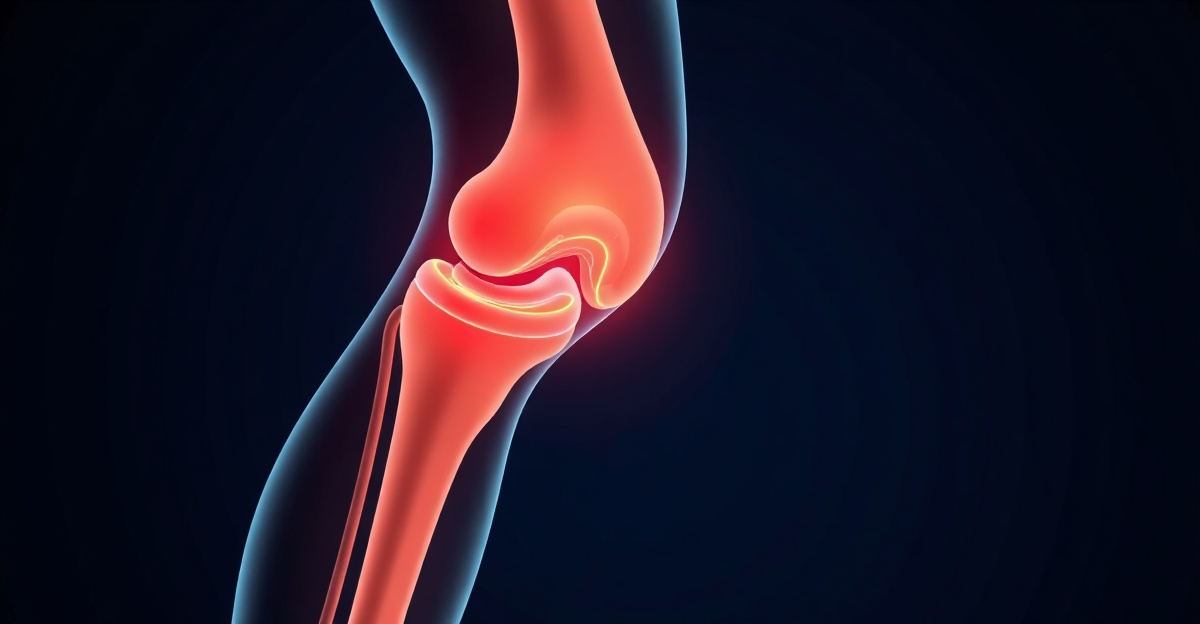
An ACL tear is the injury every athlete fears — and for good reason. It means surgery, months of rehab, and a long road back to the sport you love. But the outcomes in 2026 are dramatically better than even a decade ago. With modern surgical techniques, structured rehabilitation, and evidence-based return-to-sport criteria, the vast majority of recreational and age-group athletes return to full sport. The timeline is 9–12 months, not the 6 months your impatient brain wants it to be. This guide maps the journey month by month, covers the main graft options, and provides sport-specific return protocols for running, cycling, triathlon, CrossFit, and HYROX. This guide is for educational purposes only and does not replace medical advice. Always follow your surgeon's and physiotherapist's guidance.
Graft Types: What You Need to Know
Your surgeon will recommend a graft type based on your age, sport, activity level, and anatomy. The three most common options for athletes are:
- Patellar tendon (BTB): Bone-tendon-bone graft. Gold standard for return to pivoting sports. Fastest biological fixation. Downside: anterior knee pain and kneeling discomfort in 15–20% of patients
- Hamstring tendon: Less donor-site pain than BTB. Slightly higher re-rupture rate in young athletes returning to high-risk sports. Good option for endurance athletes who do not play pivoting sports
- Quadriceps tendon: Growing in popularity. Similar strength to BTB with less anterior knee pain. Larger graft cross-section. Many sports medicine surgeons now prefer this for athletic patients
For endurance athletes (runners, triathletes, cyclists), the graft choice matters less than the rehab quality. All three grafts achieve sufficient strength for linear sports. The differences are most meaningful for athletes in cutting and pivoting sports like football, basketball, and skiing.
Month-by-Month Recovery Milestones
| Month | Phase | Key Milestones | Training Allowed |
|---|---|---|---|
| 0–1 | Protection | Reduce swelling, restore full extension, quad activation | Upper body, core (no rotation), stationary bike when ROM allows |
| 1–2 | Early Rehab | Full extension, 120° flexion, single-leg stance 30s | Stationary bike, pool walking, upper body |
| 2–3 | Strength Foundation | Normal gait without brace, leg press at bodyweight | Outdoor cycling (flat), elliptical, swimming (flutter kick only) |
| 3–4 | Progressive Loading | Single-leg squat to 60°, no swelling after exercise | Cycling (hills OK), swimming (all strokes except breaststroke kick) |
| 4–6 | Running Preparation | Quad strength >70% of uninvolved side, hop tests progressing | Walk/run protocol starts at month 4–5 if criteria met. Pool running |
| 6–8 | Return to Running | Continuous running 30 min pain-free, quad symmetry >80% | Easy running, cycling at pre-injury volume, sport-specific drills |
| 8–9 | Sport-Specific | Hop test symmetry >90%, single-leg squat stable, psychological readiness | Tempo runs, intervals, race simulation, agility drills |
| 9–12 | Return to Competition | All return-to-sport criteria passed, confidence in the knee | Full training and competition |
These timelines assume textbook recovery with no setbacks. Meniscus repairs, cartilage damage, or post-operative complications can add 2–4 months. Do not chase the calendar — chase the criteria.
Sport-Specific Return Protocols
The general timeline above applies to everyone. But when and how you return to your specific sport depends on the demands that sport places on the knee.
Running: Walk/run protocol begins at month 4–5 (earliest). Progress from 1 min run / 4 min walk to continuous easy running over 4–6 weeks. No speed work before month 7. No racing before month 9. Use the Training Zones Calculator to keep early runs in Zone 1–2.
Cycling: Stationary bike often starts at week 2–3 (when ROM allows). Outdoor cycling by month 2–3. Cycling is ACL-friendly — no impact, no pivoting. Many athletes maintain significant cycling fitness through recovery. Hill climbing and standing efforts cleared by month 3–4.
Triathlon: Cycling first (month 2–3), swimming second (month 2–4 depending on kick restrictions), running last (month 4–6). Most triathletes can race a sprint triathlon at 9 months and an Olympic distance at 10–12 months. Ironman distance should wait until 12+ months.
CrossFit / HYROX: Linear movements (rowing, running, sled push) return before lateral and plyometric movements (box jumps, lunges, wall balls). Squatting under load requires quad symmetry >85%. Most CrossFit athletes are not fully cleared for competition until 10–12 months. HYROX is more forgiving because the movements are linear — target 9–10 months for a conservative return.
Swimming: Flutter kick from month 2. Breaststroke kick is the last to return (month 4–5) because it stresses the MCL and rotational stability. Open water swimming when confidence and strength allow.
Return-to-Sport Testing Criteria
Modern evidence is clear: time-based return (e.g., "cleared at 6 months") leads to higher re-injury rates than criteria-based return. You should pass all of the following before returning to competition:
- Quadriceps strength: Isokinetic testing >90% of uninvolved limb (Limb Symmetry Index)
- Hop tests: Single-leg hop, triple hop, crossover hop, and timed hop all >90% LSI
- Functional tests: Y-balance test within normal limits, single-leg squat with good control
- Psychological readiness: ACL-RSI questionnaire score >56/100 (validated measure of confidence in the knee)
- Sport-specific performance: Able to complete sport-specific training at pre-injury intensity without pain, swelling, or apprehension
Athletes who meet all criteria before returning have a re-rupture rate of 7–8%. Those who return early based on time alone have a re-rupture rate of 20–25%. The criteria exist for a reason.
Training Around Your ACL During Recovery
Nine months sounds like a long time to lose fitness. It does not have to be. Athletes who cross-train intelligently during ACL recovery often return with better upper body strength, improved core stability, and maintained cardiovascular fitness.
The key is matching your cross-training to your recovery phase. Early on, upper body and core work dominate. By month 2–3, cycling and pool work provide genuine cardiovascular training. By month 4–5, you can run in the pool while building toward return to land-based running.
An AI training plan can structure this progression — adjusting the training mix as you move through recovery phases, maintaining the periodization principles that drive adaptation while respecting the constraints of your healing graft. Use the Recovery Readiness Calculator to gauge whether your body is ready for the next phase of loading.
ACL recovery is a marathon, not a sprint — and as an endurance athlete, you already know how to do those. Trust the process, pass the criteria, and use the months of cross-training to build a stronger, more balanced athlete than you were before the injury. The knee that comes back from a well-managed ACL reconstruction is not a weak link — it is a knee that has been strengthened, tested, and proven.