
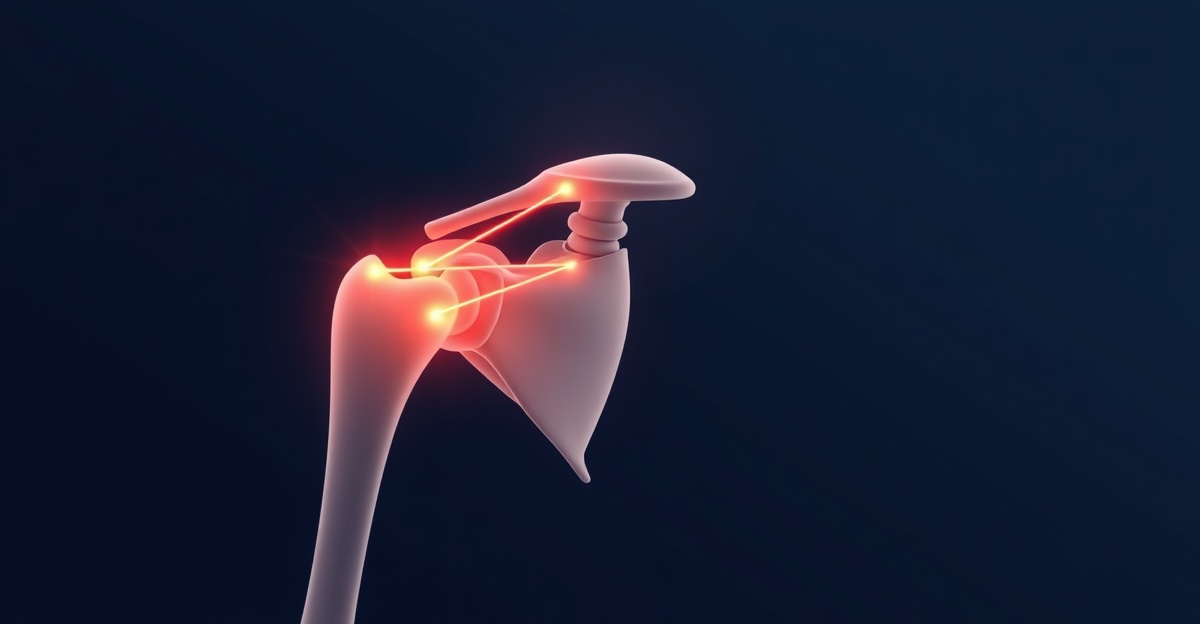
A rotator cuff injury is to overhead athletes what an ACL tear is to runners — the injury that threatens your sport. Whether you are a swimmer logging 40,000 meters a week, a climber pulling through overhangs, or a CrossFit athlete doing high-volume overhead work, the rotator cuff is the anatomical bottleneck. The good news: most rotator cuff injuries in athletes are not full-thickness tears requiring surgery. The majority respond to structured rehab, and even surgical repairs have good return-to-sport rates. The bad news: recovery is measured in months, not weeks, and the shoulder demands patience. This guide is for educational purposes only and does not replace medical advice. Always follow your surgeon's and physiotherapist's guidance.
Rotator Cuff Tear Grades and What They Mean
The rotator cuff is four muscles (supraspinatus, infraspinatus, teres minor, subscapularis) that stabilize the shoulder during movement. Tears are graded by depth and extent:
- Tendinopathy / tendinitis: No structural tear. The tendon is irritated, thickened, or inflamed. This is the most common presentation in athletes and responds well to load management and progressive rehab. Return to sport: 6–12 weeks
- Partial-thickness tear: The tendon is partially torn but still intact. Graded by depth: <50% thickness (low-grade) or >50% thickness (high-grade). Low-grade tears are managed like tendinopathy. High-grade partial tears may warrant surgical debridement or repair if rehab fails. Return to sport: 3–6 months (conservative) or 4–6 months (post-surgery)
- Full-thickness tear: The tendon is completely torn through. Small full-thickness tears (<1cm) in older athletes may be managed conservatively. In younger athletes or larger tears, surgical repair is standard. Return to sport: 6–12 months post-surgery
For athletes, the critical question is not the tear grade — it is whether the tear is affecting function and performance. A small partial tear with full strength and no pain may not need any intervention beyond monitoring. A tendinopathy that prevents you from swimming 200 meters needs aggressive rehab.
Surgical vs Physical Therapy: Decision Framework
The surgical vs conservative decision depends on tear size, athlete age, sport demands, and rehab response. Here is the framework most sports medicine surgeons use:
Try PT first if:
- Tendinopathy or low-grade partial tear
- Full strength on clinical testing despite imaging findings
- Pain is activity-related and manageable with load modification
- You can modify training (reduce volume/intensity) for 3–4 months
Consider surgery if:
- Full-thickness tear >1cm with measurable weakness
- High-grade partial tear (>50% thickness) not responding to 3–4 months of quality rehab
- Acute traumatic tear in a young athlete (especially subscapularis)
- Night pain and functional limitation despite conservative management
The rehab protocol for post-surgical and conservative management converges by month 3–4. The first 6 weeks post-surgery are more restrictive (sling, protected motion), but after that the strengthening progression is similar. The key difference is the tissue healing timeline — a repaired tendon needs 12–16 weeks of biological healing before heavy loading, while an intact tendon in a conservative program can be loaded progressively from the start.
Return-to-Swimming Timeline
Swimming is the most demanding overhead sport for the rotator cuff because of the volume and repetitive nature. A competitive swimmer takes 1,500–2,000 strokes per hour, each requiring full overhead rotation with load. The return must be gradual.
| Phase | Weeks (Post-Op) | Weeks (Conservative) | Swimming Allowed |
|---|---|---|---|
| Protection | 0–6 | 0–2 | None (kick-only with board if conservative and pain-free) |
| Early Rehab | 6–12 | 2–6 | Kick-only sets, gentle sculling in waist-deep water |
| Strengthening | 12–16 | 6–12 | Pull buoy freestyle (short axis), backstroke, 50% volume |
| Progressive Loading | 16–24 | 12–16 | Full stroke freestyle, introduce butterfly/IM, 70% volume |
| Return to Full Training | 24–36 | 16–24 | Full volume and intensity, all strokes, race preparation |
For climbers: Open-hand holds return before crimps. Overhanging terrain returns last. Lead climbing requires full confidence in dynamic shoulder stability. Most climbers return to moderate grades by 4–6 months (conservative) or 6–9 months (post-surgery), with full-grade climbing at 9–12 months.
For CrossFit/overhead athletes: Pressing movements (overhead press, push press) return before pulling movements (pull-ups, muscle-ups). Kipping is the absolute last movement to return — it combines speed, load, and end-range overhead position. Most athletes need 6–9 months before kipping is cleared.
Long-Term Shoulder Maintenance
A rotator cuff injury is a signal that the shoulder's capacity was exceeded by the demand placed on it. Recovery is not complete when the pain stops — it is complete when you have built enough capacity that the demand no longer exceeds the tolerance.
Long-term maintenance for overhead athletes includes:
- Rotator cuff strengthening: External rotation with band or cable, 3x15, 3x per week. This is not optional — it is permanent prehab. Think of it like brushing your teeth for your shoulder
- Scapular stability: Serratus anterior and lower trapezius activation exercises (wall slides, prone Y-T-W raises). Scapular dyskinesis is a root cause of many rotator cuff problems
- Volume management: Track weekly overhead volume (strokes, reps, climbs) and watch for spikes. The rotator cuff fails when volume increases faster than tissue adaptation allows. Use the Training Load Calculator to monitor load trends
- Warm-up quality: 5–10 minutes of band work and controlled overhead movements before any overhead session. Cold rotator cuffs under load is how injuries start
Rotator cuff injuries are manageable for most athletes, even those in demanding overhead sports. The path back requires patience, structured rehab, and a commitment to ongoing shoulder maintenance that most athletes wish they had started before the injury. Treat your rotator cuff strengthening like training — because that is exactly what it is.